


Key words :
future energies,
recharging
,climate change
,emissions
,ev
,cap-and-trade
,emissions trading
Author

Geoffrey Styles is Managing Director of GSW Strategy Group, LLC, an energy and environmental strategy consulting firm. Since 2002 he has served as a consultant and advisor,...
Regulating EV recharging
20 Oct, 2009 05:00 pm
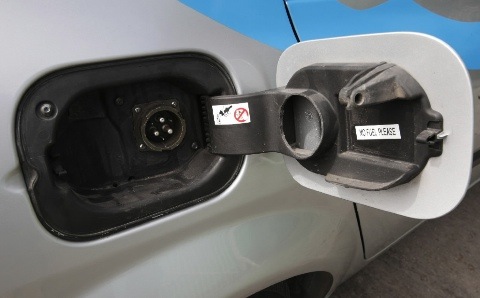
 should regulate facilities and firms that will recharge the electric vehicles expected to dot California's roads within a few years. From my own experience in attempting to involve my former employer in the recharging infrastructure for the old GM EV-1 in the late 1990s, I knew this wouldn't be a simple matter, but I had little appreciation for the complexities that have emerged in the last decade. How this gets resolved will have enormous implications for automakers and incumbent utilities, as well as for start-ups such as Better Place that some would like to treat as regulated utilities.)


A feature on the New York Times website tipped me off to a debate that's brewing in California concerning whether and how the state's Public Utilities Commission (PUC) should regulate facilities and firms that will recharge the electric vehicles expected to dot California's roads within a few years. From my own experience in attempting to involve my former employer in the recharging infrastructure for the old GM EV-1 in the late 1990s, I knew this wouldn't be a simple matter, but I had little appreciation for the complexities that have emerged in the last decade. How this gets resolved will have enormous implications for automakers and incumbent utilities, as well as for start-ups such as Better Place that some would like to treat as regulated utilities.
 |
The emissions aspect becomes even more interesting in light of the views I saw expressed in a PUC filing by Tesla Motors, Inc., a Silicon Valley manufacturer of high-end electric sports cars that recently qualified for a half-billion dollars in low-interest expansion loans from the federal government. Tesla sees the generation of tradable credits under either cap & trade or the state's Low-Carbon Fuel Standard as a significant source of revenue for the owners of EV recharging facilities, and they might be right, though when I converted the federal estimates of emission allowance values under Waxman-Markey of around $15/ton of CO2 to cents per kilowatt-hour, using California's natural gas-dominated average generating mix, I came up with a value of less than a penny per kWh. I have to wonder how excited utilities will be to take on the cost and risk of putting in EV rechargers for such a small reward, if they can't also make a profit selling power to EV drivers.
The whole notion of regulating resellers of electricity to EVs as utilities also raises serious questions about the alternative business models now under consideration by companies such as Better Place. Would offering EV services on a cents-per-mile basis, rather than cents per kWh, be deemed sufficiently transparent, and would they have to negotiate their profit margins and investment recovery with the PUC? That sounds like a great way to make it harder for anyone new to the scene to compete with traditional utilities in this area.
Fairly soon the California PUC will resolve most of these questions and in the process largely define the environment in which EVs will emerge in the biggest early market for them in the US, potentially setting the standards for their use throughout the US and beyond. I don't have a horse in this race, but I will be watching the outcome with great interest.
Read the article of the New York Times
Originally published on Energy Outlook
Key words :
future energies,
recharging
,climate change
,emissions
,ev
,cap-and-trade
,emissions trading
-
12/12/12
Peak Oil is Nonsense Because Theres Enough Gas to Last 250 Years.
-
05/09/12
Threat of Population Surge to "10 Billion" Espoused in London Theatre.
-
05/09/12
Current Commentary: Energy from Nuclear Fusion Realities, Prospects and Fantasies?
-
04/05/12
The Oil Industry's Deceitful Promise of American Energy Independence
-
14/02/12
Shaky Foundations for Offshore Wind Farms
Author
 Read more
By the same author
